Digitising mental health
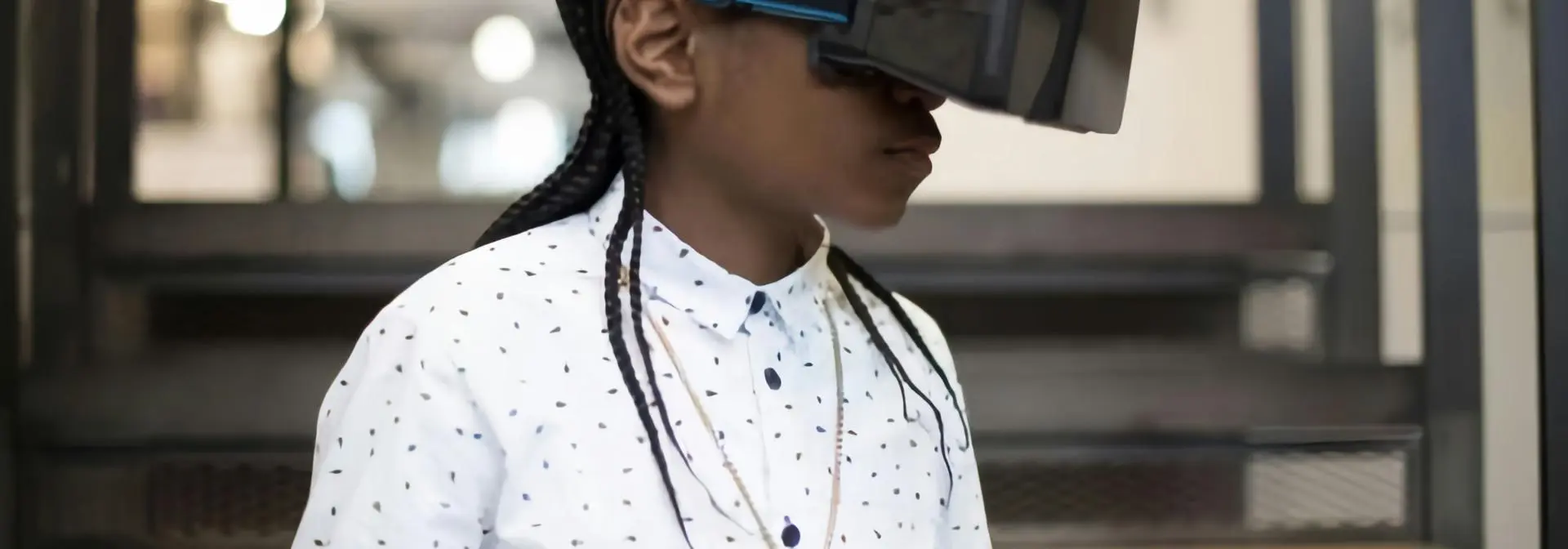
Mental health and neurodevelopmental disorders are critical areas of research at Heriot-Watt University, led by Doctors Mel McKendrick and Theodore Lim. Their teams are focused on developing digital tools to advance the diagnosis, monitoring, and treatment of mental health and neurodevelopmental conditions.
The MIND Sense project is at the core of this research, developing a multisensory platform that uses non-invasive sensors to track changes in mental state. These real-time metrics are designed to help healthcare providers better understand conditions like Parkinson's and depression, offering more precise and data-driven insights. The team is also working on the MIND Map initiative, which seeks to curate comprehensive datasets that cross-reference neurodevelopmental and neurodegenerative conditions, providing a more detailed understanding of comorbidities.
The use of immersive technologies, such as virtual and augmented reality, is another key focus, with the aim of developing gamified interventions that make mental health treatment more engaging. This innovative approach not only helps with diagnostics but also creates new avenues for personalised, effective interventions, improving mental health care for a wide range of conditions.
The Global Research Institute in Health and Care Technologies is dedicated to advancing solutions for some of the world’s most critical health challenges. By uniting researchers from across Heriot-Watt’s school-based institutes, this institute fosters a multidisciplinary environment where engineers, healthcare professionals, and scientists work together to deliver impactful health innovations. The institute also collaborates extensively with other global research institutes at Heriot-Watt, enhancing its capacity to drive forward research that improves patient care and health outcomes on a global scale.
Our areas of expertise

Neurodivergent women 'urgently' need workplace support around menstrual health
Neurodivergent women at work are often managing – and hiding – severe psychological distress related to their menstrual health, new research from Heriot-Watt University suggests.

People living with dementia can be powerful design collaborators, new Heriot-Watt research shows
People living with dementia should have more power and creative freedom in collaborative design projects, new research from Heriot-Watt University suggests.
Related themes and projects

Prolonging life independence in healthy ageing
Our Healthy Ageing initiative uses innovative engineering to extend quality life years. Decentralised, connected technologies empower senior citizens for prolonged independence and improved quality of life.
Sensing for chronic disease monitoring
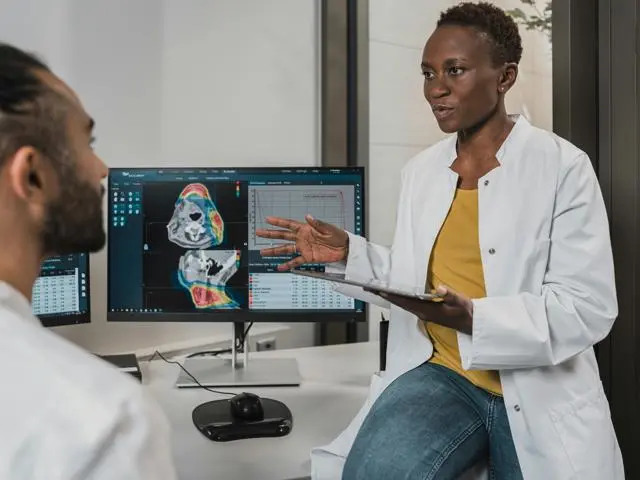
Digitising chronic disease management uses digital tech to transform understanding, monitoring, and managing chronic diseases. Innovative sensing and data analysis offer insights and effective strategies for better management.
Human-robot interaction
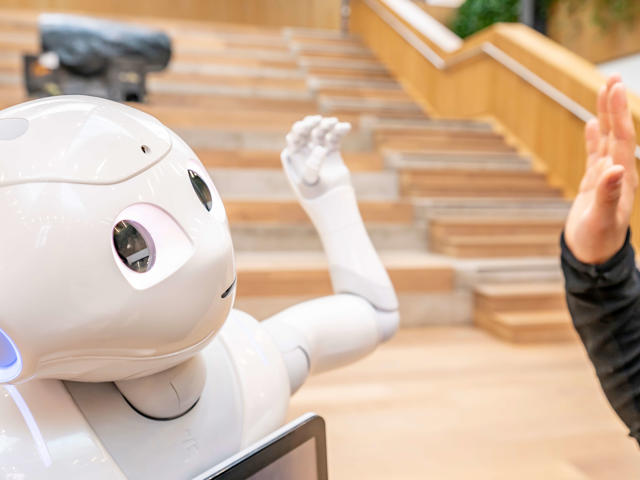
The human-robot interaction (HRI) labs explore how humans interact with robots in everyday settings. Our research spans conversational robots, assistive technologies, and sensor-driven systems that promote independent living. We aim to build human trust in robots by developing user-centered systems that improve health and well-being, supported by real-life testing environments like the Laboratory for Robotic Assistive Living (LARA).