Restoring nature: scientific efforts to revive the oyster population
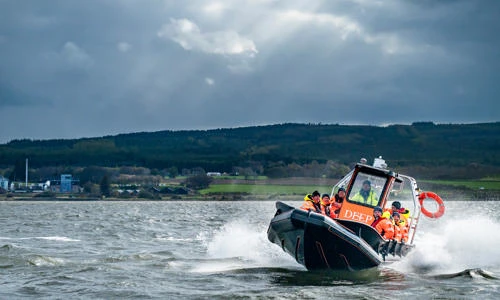
For the first time in a century, thousands of oysters once again populate a picturesque stretch of water in north Scotland as part of an ambitious project involving researchers from Heriot-Watt University.
Extensive fishing during the 1800's is thought to have decimated oyster populations in the Dornoch Firth, as it did throughout Europe, but an exciting project supported by the whisky firm, Glenmorangie, aims to restore the marine habitat.
The Dornoch Environmental Enhancement Project (DEEP) was formed in 2014 as a partnership with Heriot-Watt University, Glenmorangie and the Marine Conservation Society, with the primary aim of reintroducing oysters to the area.
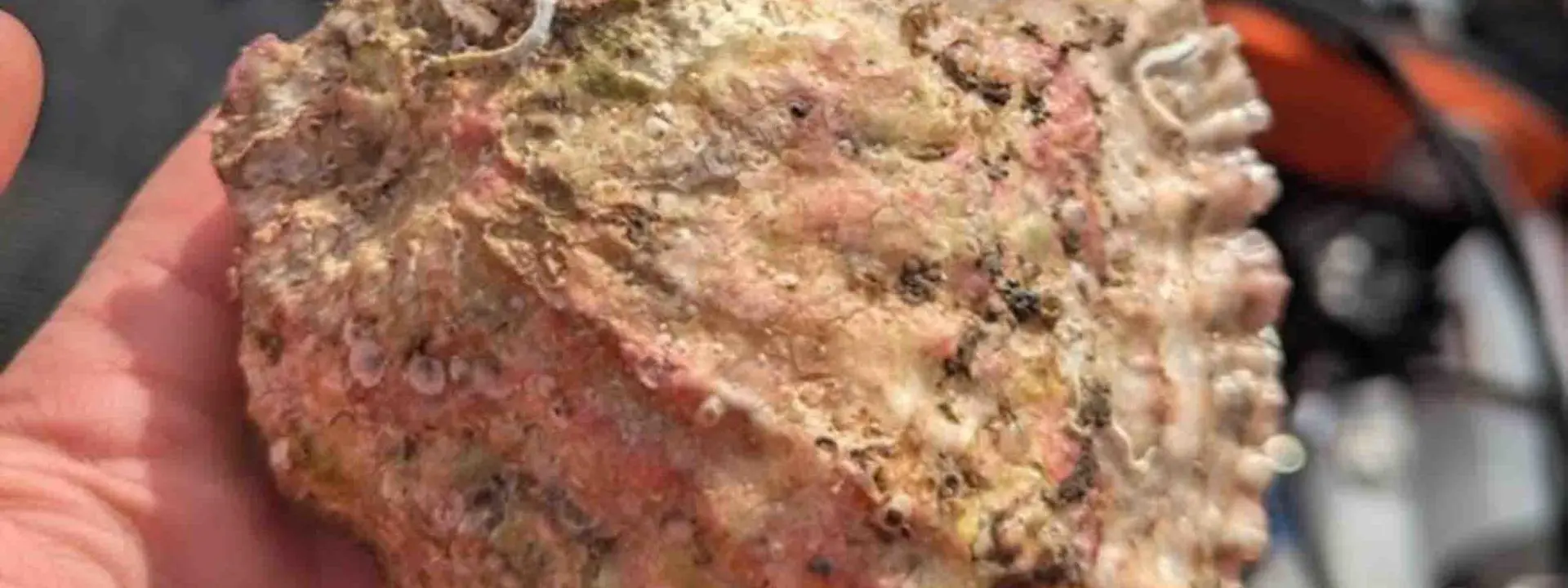
After establishing that the oysters were once there for thousands of years, the project placed 300 oysters into the protected waters to confirm whether or not the species could survive. Since then, the team have recreated entire reefs where they had been lost, something that had never been attempted in Europe before.
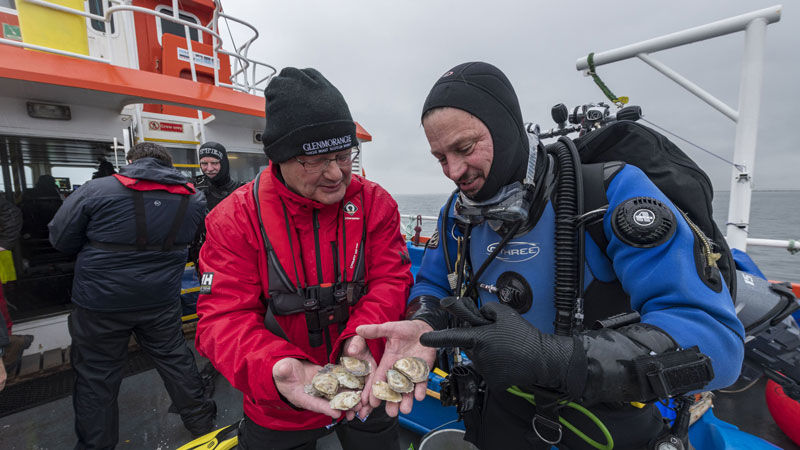
Bill Sanderson, Professor of Marine Biodiversity at Heriot-Watt, is the Research Director of DEEP. His team trawled archaeological records, ancient literature and fisheries records, then sampled shell material to show that oysters had existed in the Dornoch Firth for up to 10,000 years – and, importantly, determined that they could be reintroduced. As they started to recreate oyster reef in the Dornoch Firth in 2018, he gave his reaction, saying: “This is the first time anyone has tried to recreate a natural European oyster habitat in a protected area from scratch. Working with our partners, Glenmorangie and the Marine Conservation Society we hope to create an outstanding environment for marine life in the Firth – and act as a driving force behind other oyster regeneration work across Europe.”
Over 100,000 oysters have since been placed on the reefs and it is hoped that over five years, the thriving population will be built up to four million, spread over 40 hectares, restoring the self-sustaining oyster reefs that once existed in the Firth.
We are all very proud that the Distillery has such a pioneering environmental project right on its doorstep.
Hamish Torrie
Glenmorangie CSR Director
Hamish Torrie, Glenmorangie's CSR Director, said: ‘We are very excited to move DEEP to its next stage and have been hugely encouraged by the enthusiastic support that our meticulous, research-led approach has received from a wide range of Scottish Government agencies and native oyster growers – it is a truly collaborative effort. We are all very proud that the Distillery has such a pioneering environmental project right on its doorstep.”
The DEEP Project is the first attempt to restore the endangered Native European oyster to a protected area where it has become extinct.
Contact
Policy, Strategy and Impact (PSI)
- PSI@hw.ac.uk